

Must-Have Features for an Accessible Home Remodel

Must-Have Features for an Accessible Home Remodel READ TIME CATEGORY SHARE COPY LINK Autor Nikola Stokanic Creating an Inclusive and Comfortable Living Space Remodeling a home to ensure accessibility is a pivotal step in creating a space that is inclusive, comfortable, and accommodating for individuals with disabilities or mobility challenges. Here are some essential features to consider when planning an accessible home remodel: Entrance and Exit Accessibility Ramps One of the first considerations is providing easy access from the outside. Ramps with gentle slopes are crucial for wheelchair users and individuals with limited mobility. They should have handrails for additional support and be constructed with non-slip materials. Wider Doorways Standard doorways are often too narrow for wheelchairs and walkers. Expanding doorways to at least 36 inches wide can greatly enhance accessibility. This adjustment allows for smoother transitions between rooms and reduces the risk of injury. Accessible Bathrooms Roll-in Showers Roll-in showers are essential for individuals who use wheelchairs. These showers should have a low threshold or be completely level with the bathroom floor, equipped with grab bars, a handheld showerhead, and a built-in shower bench. Grab Bars Installing grab bars near the toilet, shower, and bathtub provides stability and support, reducing the risk of slips and falls. These should be securely anchored and positioned at convenient heights. Lowered Sinks and Vanities Sinks and vanities should be accessible to both seated and standing individuals. Lowering them and ensuring there is clear space underneath for wheelchair users to comfortably roll up can significantly improve usability. Kitchen Modifications Lowered Countertops Countertops should be lowered to a height that is comfortable for wheelchair users, typically around 34 inches. This adjustment ensures that preparation tasks can be performed more efficiently and safely. Accessible Appliances Opt for appliances with front controls and side-opening doors. Wall ovens, side-by-side refrigerators, and cooktops with staggered burners are great choices for an accessible kitchen. Pull-out Shelves and Drawers Installing pull-out shelves and drawers in cabinets and pantries can make items more accessible. These features reduce the need for reaching and bending, making kitchen tasks easier to manage. Living and Dining Areas Open Floor Plan An open floor plan with minimal obstructions allows for greater maneuverability. Ensure there is adequate space for wheelchairs and mobility aids to navigate freely. Adjustable Furniture Adjustable-height furniture, such as tables and desks, can accommodate individuals with varying needs. Consider furniture on wheels for easy rearrangement and flexibility. Bedroom Accessibility Lowered Bed Height A bed that is lower to the ground can be easier to access for individuals with mobility issues. Adjustable beds can also provide additional comfort and support. Closet Modifications Lowering closet rods and installing pull-down racks can make clothing and personal items more accessible. Ensure there is enough space for a wheelchair to maneuver within the closet area. Smart Home Technology Voice-Activated Systems Integrating voice-activated systems can greatly enhance independence. These systems can control lighting, temperature, security, and entertainment devices, making daily tasks more manageable. Automated Door Openers Automated door openers allow doors to open and close with the push of a button or through voice commands, providing easier access throughout the home. Lighting and Electrical Adjustments Lighting Controls Accessible lighting controls should be installed at reachable heights for all users. Consider motion-sensor lights and dimmable switches to accommodate varying needs and preferences. Electrical Outlets Place electrical outlets at higher levels to avoid the need for bending down. This adjustment ensures that individuals with limited mobility can easily access power sources. Accessible Flooring Non-Slip Flooring Non-slip flooring materials, such as rubber, cork, or textured tiles, provide better traction and reduce the risk of falls. These materials are also softer underfoot, making them more comfortable for individuals with joint issues. Threshold-Free Transitions Eliminate thresholds between rooms to create a smoother transition for wheelchairs and walkers. This modification helps prevent tripping hazards and enhances overall mobility within the home. Outdoor Accessibility Accessible Pathways Ensure that pathways leading to and around the home are wide enough for wheelchairs and have a smooth, even surface. Ramps and handrails should be installed where necessary. Accessible Gardens Raised garden beds and planters at accessible heights allow individuals with limited mobility to enjoy gardening. Consider installing benches and shaded areas for comfort. Creating an accessible home remodel involves thoughtful planning and attention to detail. By incorporating these features, you can ensure that your home is welcoming and functional for all individuals, regardless of their mobility or physical limitations. The goal is to create a space where everyone can live independently, safely, and comfortably. LEARN MORE Related Similar Articles
Bathroom Remodel Ideas on a Tight Timeline
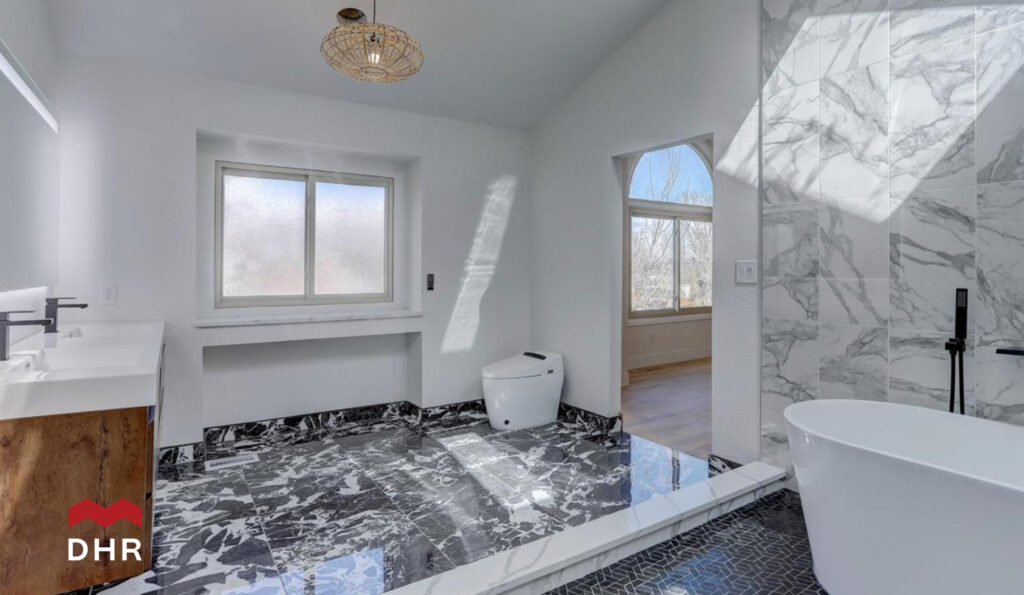
Bathroom Remodel Ideas on a Tight Timeline READ TIME CATEGORY SHARE COPY LINK Autor Nikola Stokanic Transform Your Space Quickly and Efficiently Introduction Remodeling a bathroom can be a daunting task, especially when you are working under time constraints. However, with careful planning and strategic choices, you can achieve a stunning transformation without compromising on quality. This guide will provide you with practical and creative ideas to remodel your bathroom efficiently and effectively, ensuring you can enjoy your refreshed space in no time. Plan and Prioritize The first step in any remodeling project is to plan and prioritize. Identify the key areas that require attention and allocate your time and budget accordingly. Focus on high-impact changes that can significantly enhance the overall appearance and functionality of your bathroom. Set a Realistic Timeline Determine a realistic timeline for your remodel. Break down the project into manageable phases and set clear deadlines for each task. This will help you stay on track and avoid unnecessary delays. Prioritize Essential Upgrades Evaluate the critical elements that need upgrading, such as plumbing fixtures, lighting, and storage solutions. Prioritizing these essential upgrades will ensure that your bathroom not only looks great but also functions smoothly. Quick and Impactful Changes When time is of the essence, focus on changes that make a big impact with minimal effort. Here are some quick and effective ideas to transform your bathroom: 1. Fresh Coat of Paint A fresh coat of paint can instantly revitalize your bathroom. Choose light, neutral colors to create a bright and airy atmosphere. If you prefer a pop of color, consider an accent wall or colorful accessories. 2. Update Fixtures and Hardware Replacing outdated fixtures and hardware is a simple yet impactful way to modernize your bathroom. Opt for sleek, contemporary designs that complement your overall aesthetic. 3. Install New Lighting Good lighting is essential for a functional and inviting bathroom. Update your lighting fixtures with energy-efficient LEDs or stylish sconces to enhance the ambiance and improve visibility. 4. Refresh Grout and Caulk Dirty or worn-out grout and caulk can make your bathroom look old and neglected. Spend some time cleaning and refreshing these areas to give your bathroom a fresh and clean appearance. 5. Add Storage Solutions Maximize your bathroom's storage capacity by incorporating clever storage solutions. Install floating shelves, over-the-toilet cabinets, or under-sink organizers to keep your essentials neatly organized and easily accessible. DIY Projects If you are working on a tight timeline, consider incorporating some DIY projects into your remodel. These projects can be completed quickly and offer a cost-effective way to add a personalized touch to your bathroom. 1. Custom Shelving Create custom shelving using reclaimed wood or pre-made shelves. This not only adds storage but also brings a rustic and unique charm to your bathroom. 2. Repurpose Furniture Repurpose an old dresser or cabinet into a stylish vanity. This can be a fun and creative project that adds character and functionality to your bathroom. 3. DIY Backsplash Install a new backsplash using peel-and-stick tiles. These are easy to apply and candramatically change the look of your bathroom without the need for professional installation. Professional Help While DIY projects are great for quick and budget-friendly updates, some tasks may require professional expertise. Knowing when to hire a professional can save you time and prevent potential issues down the line. Plumbing and Electrical Work For any plumbing or electrical upgrades, it is best to hire a licensed professional. They can ensure that the work is done safely and up to code, minimizing the risk of future problems. Major Renovations If your remodel involves major structural changes or extensive renovations, consider hiring a contractor. They can manage the project efficiently, ensuring that the work is completed on time and to your satisfaction. Conclusion Remodeling a bathroom on a tight timeline is achievable with careful planning and strategic choices. Focus on high-impact changes, incorporate quick and easy updates, and know when to seek professional help. By following these tips, you can transform your bathroom into a beautiful and functional space that you will enjoy for years to come. LEARN MORE Related Similar Articles
Opening Up a Small Living Room with an Open Floor Plan

Opening Up a Small Living Room with an Open Floor Plan READ TIME CATEGORY SHARE COPY LINK Autor Nikola Stokanic Transforming Your Space into a Breathable Haven An open floor plan can breathe new life into a small living room, making it feel larger, brighter, and more inviting. Here are some strategic steps to accomplish this transformation. Maximize Natural Light Natural light is a key element in opening up any space. Start by removing heavy curtains or drapes and replacing them with sheer or light-colored options that allow sunlight to filter through. If privacy is a concern, consider using blinds that can be easily adjusted. Mirrors and Reflective Surfaces Incorporating mirrors and reflective surfaces can amplify the natural light in your living room. Place a large mirror opposite a window to reflect light and create an illusion of depth. Reflective furniture, such as glass or metallic tables, can also help to bounce light around the room. Declutter and Simplify A cluttered space can feel cramped and overwhelming. Start by decluttering your living room, keeping only essential items that serve a functional or aesthetic purpose. Opt for furniture with built-in storage to keep your belongings organized and out of sight. Multi-functional Furniture Choose furniture that serves multiple purposes, such as a sofa bed, a coffee table with storage, or an ottoman that doubles as seating and a storage unit. This approach not only saves space but also keeps the room tidy and functional. Define Zones with Rugs and Furniture An open floor plan benefits greatly from clearly defined zones. Use rugs to demarcate different areas, such as the seating area, dining space, or a reading nook. Arrange furniture in a way that creates distinct sections while maintaining a cohesive flow. Floating Furniture Instead of pushing all your furniture against the walls, consider floating some pieces. A floating sofa or armchair can make the room feel more spacious and allow for better movement and interaction within the space. Opt for Light and Neutral Colors Light and neutral colors can make a small living room appear larger and more open. Choose a light color palette for your walls, furniture, and accessories. Soft whites, light grays, and beige tones can create a serene and expansive atmosphere. Pops of Color While keeping the base colors light, don't shy away from adding pops of color through accent pieces like cushions, throws, and artwork. These elements can add personality and vibrancy to the room without overwhelming it. Incorporate Vertical Elements To draw the eye upward and make the room feel taller, incorporate vertical elements into your design. Tall bookshelves, floor-to-ceiling curtains, and vertical artwork can create a sense of height and grandeur. Hanging Plants Adding hanging plants can bring life and freshness to the room while utilizing vertical space. Plants also have a natural ability to soften the environment and improve air quality. Keep Traffic Flow in Mind Ensure that your open floor plan allows for easy movement throughout the space. Avoid blocking pathways with large furniture pieces or clutter. Aim for a layout that feels intuitive and accessible. Open Shelving Open shelving can be a great way to display decorative items and keep essentials within reach without adding bulk to the room. Choose shelves that complement your decor and arrange items thoughtfully to avoid a cluttered look. Personal Touches Finally, infuse your open floor plan living room with personal touches that reflect your style and personality. Whether it's family photos, travel souvenirs, or your favorite books, these elements make the space uniquely yours. By following these steps, you can transform your small living room into an airy, welcoming space that makes the most of an open floor plan. With thoughtful planning and a few strategic changes, your living room can become a haven of comfort and style. LEARN MORE Related Similar Articles
The Biggest Challenge to Address Colorado’s Housing Market Needs

The Biggest Challenge to Address Colorado’s Housing Market Needs READ TIME CATEGORY SHARE COPY LINK Autor Nikola Stokanic Understanding and Overcoming the Housing Crisis Introduction In recent years, Colorado has experienced a significant population boom, attracting individuals and families drawn to the state's scenic beauty, robust job market, and vibrant cultural scene. However, this rapid growth has led to a pressing issue: a severe housing shortage. The state's housing market is struggling to meet the increasing demand, resulting in skyrocketing prices and limited availability. To address Colorado's housing market needs, it is crucial to identify and tackle the biggest challenges contributing to this crisis. Population Growth and Demand One of the primary factors driving the housing crisis in Colorado is the rapid population growth. Cities like Denver, Boulder, and Colorado Springs have seen an influx of new residents, many of whom are drawn by the state's strong economy and high quality of life. This surge in population has outpaced the construction of new housing units, leading to a significant gap between supplyand demand. Urbanization and High Demand Areas Urban areas in Colorado are particularly affected by the housing shortage. As more people move to cities for job opportunities and urban amenities, the demand for housing in these regions has intensified. The limited availability of land for new developments in urban centers exacerbates the problem, pushing prices even higher. Affordable Housing Crisis The lack of affordable housing is another critical challenge. For many low- and middle-income families, finding affordable housing in Colorado's competitive market is becoming increasingly difficult. The shortage of affordable units forces many residents to spend a significant portion of their income on housing, leaving less for other essential needs. Regulatory and Zoning Constraints Regulatory and zoning constraints play a significant role in hindering the development of new housing projects. Complex permitting processes, restrictive zoning laws, and lengthy approval timelines can delay or even halt the construction of new homes. These barriers increase the cost and time required to build new housing, further limiting the supply. Zoning Laws and Density Restrictions Zoning laws that restrict the density of housing developments can prevent the construction of multi-family units, which are essential for accommodating a growing population. Cities with strict zoning regulations may face difficulties in adapting to increased housing demand, leading to a persistence of the housing shortage. Permitting Delays Lengthy permitting processes can significantly slow down the construction of new housing. Developers often face numerous hurdles and bureaucratic red tape before receiving approval to build. Streamlining these processes and reducing unnecessary delays could expedite the development of new housing projects. Construction Costs and Labor Shortages The rising costs of construction materials and labor shortages are major challenges in addressing Colorado's housing needs. Building new homes has become increasingly expensive, making it difficult for developers to produce affordable units. Material Costs The cost of construction materials, such as lumber and steel, has risen sharply in recent years.These increased costs are often passed on to homebuyers, making housing less affordable. Efforts to stabilize material prices and explore alternative building materials could help mitigate this issue. Labor Shortages The construction industry in Colorado is facing a significant labor shortage. A lack of skilled workers delays projects and drives up labor costs. Investing in workforce development programs and encouraging young people to pursue careers in construction could help address this shortage and reduce construction costs. Land Availability The availability of land suitable for development is limited, especially in mountainous regions and areas with protected natural habitats. Identifying and utilizing underused or vacant land within urban areas could help alleviate some of the pressure on housing supply. Environmental Regulations Strict environmental regulations are essential for protecting Colorado's natural beauty, but they can also complicate the development process. Developers must navigate a complex web of environmental laws and regulations, which can add time and cost to housing projects. Finding a balance between environmental protection and housing development is crucial. Community Opposition and NIMBYism Community opposition to new housing developments, often referred to as "Not In My Backyard" (NIMBYism), can be a significant barrier. Residents may oppose new projects due to concerns about increased traffic, changes in neighborhood character, or potential declines in property values. Community Engagement Engaging with communities and addressing their concerns through open dialogue and transparent planning processes can help mitigate opposition. Educating residents about the importance of new housing developments and their potential benefits can also foster support. Incentives for Development Providing incentives for developers to build affordable housing, such as tax credits or subsidies, can encourage the construction of much-needed units. These incentives can help offset the costs and challenges associated with housing development. Conclusion Addressing Colorado's housing market needs requires a multifaceted approach that tackles the various challenges contributing to the crisis. By addressing regulatory constraints, construction costs, and community opposition, and by promoting sustainable development practices, Colorado can work toward creating a housing market that meets the needs of its growing population. Collaboration between government, developers, and communities will be essential in overcoming these obstacles and ensuring that affordable and accessible housing is availablefor all Coloradans. LEARN MORE Related Similar Articles
Air Purifying Plants for Your Home

Air Purifying Plants for Your Home READ TIME CATEGORY SHARE COPY LINK Autor Nikola Stokanic Enhance Your Living Space with Natural Cleaners In an age where indoor air quality is becoming increasingly important, having air purifying plants in your home can be a simple and effective way to enhance your environment. These plants can help remove toxins, improve oxygen levels, and create a more pleasant and relaxing atmosphere. Here, we explore some of the best air purifying plants that you can bring into your home for a fresher, healthier living space. Benefits of Air Purifying Plants Indoor plants do more than just beautify your home; they also offer a range of health benefits. They can absorb harmful pollutants, release fresh oxygen, and even help to regulate humidity levels. Some plants are particularly adept at removing toxins like formaldehyde, benzene, and trichloroethylene, which are commonly found in indoor environments. Improved Air Quality Plants act as natural air filters, absorbing pollutants through their leaves and roots. This can lead to a significant improvement in indoor air quality, making your home healthier and more comfortable. Enhanced Mental Well-being Having plants around can reduce stress and anxiety, improve mood, and even boost cognitive function. The presence of greenery has been linked to increased feelings of relaxation and well-being. Better Sleep Certain plants release oxygen at night, which can improve sleep quality. Plants like the Snake Plant and Aloe Vera are known for their nighttime oxygen-producing capabilities. Top Air Purifying Plants Here are some of the most effective air purifying plants that you can incorporate into your home: Snake Plant (Sansevieria trifasciata) The Snake Plant, also known as Mother-in-Law's Tongue, is one of the best plants for improving indoor air quality. It is highly efficient at absorbing toxins like formaldehyde and benzene. It is also a low-maintenance plant that thrives in low light and requires minimal watering. Peace Lily (Spathiphyllum) The Peace Lily is not only beautiful but also highly effective at purifying the air. It can remove pollutants such as ammonia, benzene, and formaldehyde. Peace Lilies prefer indirect light and high humidity, making them perfect for bathrooms and kitchens. Aloe Vera Aloe Vera is a popular plant known for its medicinal properties, but it is also excellent at purifying the air. It can help remove formaldehyde and benzene, which are by-products of chemical-based cleaners and paints. Aloe Vera prefers bright, indirect sunlight and minimalwatering. Spider Plant (Chlorophytum comosum) The Spider Plant is a resilient and easy-to-grow plant that can remove pollutants likeformaldehyde and xylene. It is a great choice for beginners and can thrive in a variety of lighting conditions. Boston Fern (Nephrolepis exaltata) Boston Ferns are excellent at removing formaldehyde and xylene from the air. They prefer cool, humid environments and indirect light. Regular misting is recommended to keep these ferns healthy. English Ivy (Hedera helix) English Ivy is effective at reducing airborne fecal particles and mold. It can thrive in a variety of conditions but prefers indirect light and regular watering. This plant is particularly useful in bathrooms. Rubber Plant (Ficus elastica) The Rubber Plant is known for its ability to remove toxins like formaldehyde from the air. It thrives in bright, indirect light and prefers to be watered when the soil is dry to the touch. Caring for Your Air Purifying Plants Proper care is essential to ensure that your air purifying plants remain healthy and effective. Here are some tips to help you take care of your indoor plants: Watering Overwatering is a common mistake that can lead to root rot and plant death. Make sure to water your plants according to their specific needs and allow the soil to dry out between waterings. Lighting Different plants have different lighting requirements. Some thrive in bright, indirect light, while others can tolerate low light conditions. Make sure to place your plants in appropriate lighting to promote healthy growth. Temperature and Humidity Most indoor plants prefer temperatures between 60-75°F (15-24°C) and humidity levels between 40-60%. Keep your plants away from drafts, heating vents, and air conditioners to maintain a stable environment. Soil and Fertilization Use well-draining soil to prevent waterlogging and provide your plants with the necessary nutrients. Fertilize your plants during their growing season (usually spring and summer) to support healthy growth. Conclusion Incorporating air purifying plants into your home is a natural and effective way to improve indoor air quality. Not only do these plants help remove harmful toxins, but they also enhance the aesthetic appeal of your living space and contribute to a healthier environment. By selecting the right plants and providing proper care, you can enjoy the numerous benefits that air purifying plants offer. LEARN MORE Related Similar Articles
Sustainable Design Elements to Incorporate in the Renovation

Sustainable Design Elements to Incorporate in the Renovation READ TIME CATEGORY SHARE COPY LINK Autor Nikola Stokanic Innovative and Environmentally Responsible Choices Renovating with sustainability in mind not only benefits the environment but also enhances the health and well-being of occupants, reduces long-term costs, and improves the overall efficiency of the space. Here are several sustainable design elements to consider incorporating into your renovation project. Energy Efficiency Insulation and Windows Proper insulation is crucial for maintaining temperature control and reducing energy consumption. Use high-quality, eco-friendly insulation materials such as cellulose or recycled denim. Additionally, installing energy-efficient windows with double or triple glazing can significantly reduce heat loss and minimize the need for artificial heating and cooling. Solar Panels Harnessing solar energy is a powerful way to reduce reliance on non-renewable energy sources. Installing solar panels on your roof can provide a significant portion of your electricity needs, while also potentially earning you tax credits and reducing energy bills. Energy-Efficient Appliances When upgrading appliances, choose models with high energy-efficiency ratings. Look for the Energy Star label, which indicates that the appliance meets energy efficiency guidelines set by the Environmental Protection Agency (EPA). Water Conservation Low-Flow Fixtures Incorporating low-flow faucets, showerheads, and toilets can greatly reduce water usage without compromising performance. These fixtures are designed to use less water while maintaining adequate pressure and functionality. Rainwater Harvesting Installing a rainwater harvesting system allows you to collect and store rainwater for various uses, such as irrigation, toilet flushing, and even laundry. This reduces the demand on municipal water supplies and lowers water bills. Greywater Recycling Greywater recycling systems treat and reuse water from sinks, showers, and washing machines for purposes like irrigation and toilet flushing. This helps conserve fresh water and reduces the strain on wastewater treatment facilities. Sustainable Materials Recycled and Reclaimed Materials Using recycled or reclaimed materials can significantly reduce the environmental impact of your renovation. Consider reclaimed wood for flooring, countertops, and cabinetry, or recycled glass and metal for various design elements. Non-Toxic and Low-VOC Products Choose paints, finishes, and adhesives that are free from harmful chemicals and volatile organic compounds (VOCs). Low-VOC and non-toxic products improve indoor air quality and create a healthier living environment. Bamboo and Cork Bamboo and cork are rapidly renewable resources that make excellent alternatives to traditional hardwood flooring. Both materials are durable, aesthetically pleasing, and environmentally friendly. Indoor Air Quality Ventilation Systems Proper ventilation is essential for maintaining good indoor air quality. Install energy-efficient ventilation systems that provide adequate airflow and reduce indoor pollutants. Consider using heat recovery ventilators (HRVs) or energy recovery ventilators (ERVs) to maximize energy efficiency. Indoor Plants Incorporating indoor plants into your design not only enhances aesthetics but also improves air quality by filtering out toxins and adding oxygen. Choose low-maintenance, air-purifying plants such as snake plants, spider plants, and peace lilies. Smart Home Technology Smart Thermostats Smart thermostats allow you to control heating and cooling systems remotely and optimize energy usage based on your schedule and preferences. This can lead to significant energy savings and increased comfort. Automated Lighting Automated lighting systems, such as motion sensors and programmable timers, ensure that lights are only used when needed. This reduces energy consumption and extends the lifespan of light bulbs. Home Energy Management Systems Home energy management systems provide real-time data on energy usage, allowing you to monitor and adjust consumption patterns. This helps identify areas for improvement and promotes more efficient energy use. Landscape Design Native Plantings Incorporate native plants into your landscape design to reduce the need for irrigation, fertilizers, and pesticides. Native plants are well-adapted to local conditions and provide habitat for local wildlife. Permeable Paving Use permeable paving materials for driveways, walkways, and patios to reduce stormwater runoff and promote groundwater recharge. Permeable options include permeable concrete, porous asphalt, and interlocking pavers. Green Roofs Green roofs, which are partially or completely covered with vegetation, provide numerous environmental benefits. They improve insulation, reduce stormwater runoff, and create habitats for wildlife. Green roofs also help mitigate the urban heat island effect and enhance the aesthetic appeal of the building. Waste Reduction Construction Waste Management Implement a construction waste management plan to minimize waste generated during the renovation process. This includes recycling and reusing materials, properly disposing of hazardous waste, and reducing overall material usage. Deconstruction Instead of Demolition Opt for deconstruction rather than demolition when removing existing structures. Deconstruction carefully dismantles buildings to salvage and reuse materials, reducing waste and conserving resources. Composting Incorporate a composting system into your renovation to manage organic waste. Composting kitchen scraps, yard waste, and other organic materials reduces landfill waste and produces nutrient-rich soil for gardening. By thoughtfully incorporating these sustainable design elements into your renovation, you can create a more environmentally friendly, healthy, and efficient space. Embracing sustainability not only benefits the planet but also enhances the quality of life for those who inhabit the space. LEARN MORE Related Similar Articles
Transform Your Garage into Living Quarters

Transform Your Garage into Living Quarters READ TIME CATEGORY SHARE COPY LINK Autor Nikola Stokanic A Comprehensive Guide Transforming your garage into living quarters is an exciting project that can significantly increase the functionality and value of your home. Whether you need an extra bedroom, a home office, or a cozy studio apartment, this guide will provide you with the essential steps to convert your garage into a comfortable and stylish living space. Planning and Permits Before embarking on this transformation, it is crucial to plan meticulously and secure the necessary permits. Consult your local zoning office to understand the regulations and requirements for converting a garage into living space. This may include adhering to building codes, obtaining permits, and ensuring compliance with safety and health standards. Design and Layout Consider the purpose of the new living space and create a detailed layout. Decide on the number of rooms, their sizes, and the overall design theme. Ensure that the layout maximizes natural light and ventilation. Think about the placement of windows, doors, and walls to create a functional and aesthetically pleasing environment. Insulation and Flooring Garages are often not insulated, which can lead to uncomfortable temperatures. Proper insulation is essential to make the space habitable. Insulate the walls, ceiling, and garage door using materials such as fiberglass, foam board, or spray foam. For the flooring, consider installing a subfloor to provide insulation and a smooth surface for your chosen flooring material. Options include hardwood, laminate, tile, or carpet. Electrical and Plumbing Updating the electrical and plumbing systems is a critical step in the conversion process. Hire a licensed electrician to install new wiring, outlets, and lighting fixtures. Ensure that the electrical system meets the required safety standards. If your living quarters include a bathroom or kitchenette, you will need to extend the plumbing lines. This may involve hiring a professional plumber to install pipes, fixtures, and drainage systems. Heating, Ventilation, and Air Conditioning (HVAC) To create a comfortable living environment, proper heating, ventilation, and air conditioning are essential. Depending on your climate, consider installing a ductless mini-split system, a portable heater, or extending your existing HVAC system. Ensure that there is adequate ventilation to maintain good air quality and prevent mold growth. Windows and Doors Installing new windows and doors can transform the appearance and functionality of your garage. Choose energy-efficient windows that provide natural light and insulation. Select doors that complement the design of your home and provide security and accessibility. Consider adding a sliding glass door or French doors to create a seamless transition between the indoor and outdoor spaces. Interior Walls and Ceiling Frame the interior walls using wooden or metal studs and cover them with drywall. If you want to add soundproofing, consider using sound-dampening insulation or double layers of drywall. Finish the walls with paint, wallpaper, or paneling to match your design theme. For the ceiling, install drywall or opt for a suspended ceiling with tiles to conceal electrical wiring and ductwork. Lighting and Fixtures Good lighting can enhance the ambiance and functionality of your new living space. Combine ambient, task, and accent lighting to create a well-lit environment. Install recessed lights, chandeliers, or pendant lights for general illumination. Use under-cabinet lighting, floor lamps, or wall sconces for task lighting. Add decorative fixtures to highlight architectural features and create a cozy atmosphere. Furniture and Decor Once the construction is complete, furnish and decorate your new living quarters to reflect your personal style. Choose multifunctional furniture to maximize space, such as a sofa bed, foldable tables, or built-in storage units. Add decor elements like rugs, curtains, artwork, and plants to create a warm and inviting atmosphere. Consider the color scheme and textures to achieve a cohesive and stylish look. Final Touches Before moving in, conduct a thorough inspection to ensure that all systems are functioning correctly and that the space meets safety standards. Check for any unfinished tasks and make the necessary adjustments. Clean the entire area and add the final touches to make the space feel like home. Transforming your garage into living quarters is a rewarding project that can provide additional living space and enhance the value of your property. With careful planning, attention to detail, and the right professionals, you can create a comfortable and stylish living area that meets your needs and exceeds your expectations. LEARN MORE Related Similar Articles
Repurposing Old Items as Part of the Décor for Your Remodeled Home

Repurposing Old Items as Part of the Décor for Your Remodeled Home READ TIME CATEGORY SHARE COPY LINK Autor Nikola Stokanic Transforming Nostalgia into New Beauty In the ever-evolving world of home décor, the trend of repurposing old items has found a special place. Not only does it bring a unique charm to your living space, but it also allows you to retain a sense of nostalgia and sustainability. Repurposing old items is a blend of creativity, history, and environmental consciousness. Here’s how you can breathe new life into your remodeled home by incorporating elements from the past. 1. Understanding the Value of Repurposing Repurposing is all about giving a new function to items that are no longer used for their original purpose. It’s an eco-friendly way to reduce waste and create unique décor pieces. Each repurposed item carries with it a story, adding depth and personality to your home. Pro Tip: At Denver Home ReShape, our design and build team specializes in remodeling homes that blend Colorado’s modern mountain aesthetic with functional, livable design. ─ Nikola Stokanic 2. Identifying Items with Potential Before you start, take inventory of the old items you have. Look for pieces with good bones or those that hold sentimental value. Here are some common household items that can be repurposed creatively: Old furniture (chairs, tables, dressers) Vintage suitcases and trunks Antique picture frames Old doors and windows Glass jars and bottles Textiles (old curtains, blankets, and clothes) 3. Creative Repurposing Ideas Furniture Old furniture can be transformed into stunning focal points. For instance, an old dresser can become a chic bathroom vanity with a fresh coat of paint and new hardware. A vintage chair can be reupholstered to suit your new color scheme, making it both functional and stylish. Suitcases and Trunks Vintage suitcases can be stacked to create a unique side table or mounted on the wall as quirky shelves. Old trunks make excellent coffee tables or storage benches, adding a rustic charm to your living room. Picture Frames Antique picture frames can be used in numerous ways. Turn them into mirrors, chalkboards, or even bulletin boards. They can also be grouped together on a wall to create an eclectic gallery display. Doors and Windows Old doors can be transformed into headboards, dining tables, or sliding barn doors. Vintage windows can be repurposed as photo frames or used to create a greenhouse effect in your garden. Glass Jars and Bottles Glass jars and bottles are incredibly versatile. Use them as vases, candle holders, or storage containers. They can also be painted or decorated to fit your aesthetic. Textiles Old textiles can be given a new life through various projects. Turn old curtains into pillow covers, quilts, or tote bags. Vintage fabrics can be framed to create unique wall art. 4. Techniques for Successful Repurposing Cleaning and Preparation Ensure that all items are thoroughly cleaned before starting your project. Sand down any rough edges on furniture and apply a primer before painting. Painting and Staining A fresh coat of paint or stain can transform an old item. Choose colors that complement your décor. Don’t be afraid to experiment with bold hues or distressed finishes for a vintage look. Hardware and Accessories Updating the hardware on furniture can make a significant difference. Replace old knobs, handles, and hinges with new ones that match your style. Add accessories like cushions, throws, and decorative elements to enhance the overall look. 5. Incorporating Repurposed Items into Your Design When integrating repurposed items into your décor, aim for balance. Mix old and new elements to create a cohesive look. Use repurposed items as accent pieces to draw attention and add character to your space. Living Room In the living room, repurposed items can serve as conversation starters. A vintage trunk as a coffee table or an old ladder as a bookshelf adds charm and uniqueness to the space. Kitchen In the kitchen, use old jars as storage containers or spice racks. An antique table can be used as a kitchen island, providing both functionality and a rustic appeal. Bedroom In the bedroom, an old door headboard or repurposed window frames as wall art can create a cozy and inviting atmosphere. Use vintage fabrics for bedding and curtains to add a touch of nostalgia. Outdoor Spaces Repurposed items can also enhance your outdoor areas. Use old furniture as garden planters or create a whimsical outdoor seating area with repurposed chairs and tables. 6. Benefits of Repurposing Repurposing old items not only adds unique touches to your home but also promotessustainability. It reduces waste and the demand for new products, helping to conserve resources. Moreover, it allows you to hold onto items that have sentimental value, keeping cherished memories alive. 7. Conclusion Repurposing old items as part of your home décor is a creative and rewarding endeavor. It offers a way to personalize your space, making it truly your own. By blending the old with the new, you create a harmonious and stylish environment that reflects your taste and values. Embrace the art of repurposing, and let your home tell a story of creativity, sustainability, and cherished memories. LEARN MORE Related Similar Articles
Top 5 Kitchen Remodel Trends for 2025

Top 5 Kitchen Remodel Trends for 2025 READ TIME CATEGORY SHARE COPY LINK Autor Nikola Stokanic 1. Smart Kitchens The integration of smart technology into kitchen remodels continues to be a dominant trend in 2025. Smart appliances, such as refrigerators with touchscreens, voice-activated assistants, and advanced cooking gadgets, are becoming more prevalent. Homeowners are investing in smart lighting systems that can be controlled through mobile apps, and faucets that can dispense water with a simple voice command. The use of AI to manage grocery lists, recipes, and meal planning is also on the rise, making kitchens more efficient and user-friendly. Key Features Smart refrigerators with inventory management Voice-activated assistants for hands-free control App-controlled lighting and temperature systems AI-driven meal planning and grocery management Pro Tip: At Denver Home ReShape, our design and build team specializes in remodeling homes that blend Colorado’s modern mountain aesthetic with functional, livable design. ─ Nikola Stokanic 2. Sustainable Materials As environmental concerns grow, more homeowners are opting for sustainable materials in their kitchen remodels. In 2025, expect to see an increase in the use of recycled and eco-friendly materials. Bamboo, reclaimed wood, and recycled glass are popular choices for countertops, cabinetry, and flooring. Additionally, low-VOC paints and finishes, energy-efficient appliances, and water-saving fixtures are becoming standard as people strive to reduce their carbon footprint. Key Features Countertops made from recycled glass or bamboo Reclaimed wood for cabinetry and flooring Energy-efficient appliances Water-saving faucets and fixtures Low-VOC paints and finishes 3. Open and Multifunctional Spaces The trend towards open and multifunctional kitchen spaces continues to gain momentum in 2025. Homeowners are tearing down walls to create open-concept layouts that seamlessly blend the kitchen with the living and dining areas. This design promotes a sense of spaciousness and allows for more natural light to flow throughout the home. Multifunctional islands that serve as cooking, dining, and workspace areas are also becoming a staple in modern kitchens. Key Features Open-concept layouts Multifunctional kitchen islands Seamless integration with living and dining areas Increased natural light 4. Bold Colors and Patterns In 2025, bold colors and patterns are making a comeback in kitchen design. While neutral tones have dominated in previous years, homeowners are now embracing vibrant hues and eye- catching patterns to give their kitchens a unique and personalized touch. Expect to see kitchens with colorful backsplashes, statement walls, and cabinets in shades of deep blue, emerald green, and rich burgundy. Patterned tiles and wallpapers are also being used to add visual interest and depth to the space. Key Features Colorful backsplashes Statement walls with bold colors Cabinets in deep blue, emerald green, and burgundy Patterned tiles and wallpapers 5. Minimalist and Functional Design Minimalism remains a key trend in kitchen remodels for 2025, with a focus on functionality and simplicity. Clean lines, uncluttered surfaces, and a streamlined aesthetic are hallmarks of this design approach. Homeowners are opting for built-in appliances that blend seamlessly with cabinetry, hidden storage solutions to keep countertops clear, and simple yet elegant hardware. The goal is to create a space that is both beautiful and highly functional, with every element serving a purpose. Key Features Clean lines and uncluttered surfaces Built-in appliances Hidden storage solutions Simple yet elegant hardware These top 5 kitchen remodel trends for 2025 reflect a blend of technology, sustainability, and design innovation. By incorporating these elements, homeowners can create stylish, functional, and eco-friendly kitchens that meet the demands of modern living. LEARN MORE Related Similar Articles
Top 10 Things Denver Homeowners Need to Know About Residential Renovation Services

Top 10 Things Denver Homeowners Need to Know About Residential Renovation Services If you are planning to upgrade your home, here are the ten essentials you should understand before you start. GET THE FREE ESTIMATE READ TIME CATEGORY SHARE COPY LINK Autor Nikola Stokanic Introduction Denver is not just the Mile-High City. It is a fast-growing market where real estate value, lifestyle expectations, and design standards are constantly rising. Residential renovation services in Denver are no longer about “fix and flip.” They are about strategic reshaping, long-term value, and living smarter in Colorado’s climate. If you are planning to upgrade your home, here are the ten essentials you should understand before you start. 1. Understand Denver’s Architectural DNA From historic Victorians in Capitol Hill to mid-century ranch homes and new contemporary builds in Central Park, every neighborhood has its own personality. Renovation should respect that DNA. A smart remodel enhances the original structure instead of fighting it. Matching materials, rooflines, window proportions, and facade details matters more than trends. Pro Tip: At Denver Home ReShape, our design and build team specializes in remodeling homes that blend Colorado’s modern mountain aesthetic with functional, livable design. ─ Nikola Stokanic 2. Permits Are Not Optional Denver has clear building codes and permitting requirements. Structural changes, electrical upgrades, plumbing modifications, and additions require proper approval. Skipping permits may save time today. It will cost you later during appraisal or resale. Work with a contractor who understands the city’s process and timelines. 3. Energy Efficiency Is a Strategic Investment Denver winters are cold. Summers can be intense. Energy-efficient renovations are not a luxury here. Upgrades such as: Double-pane or triple-pane windows Proper insulation High-efficiency HVAC systems Smart thermostats These reduce monthly costs and increase long-term property value. 4. Choosing the Right Contractor Is Critical Not every contractor understands both construction and design. You want a team that: Knows Denver’s neighborhoods Has a proven portfolio Communicates clearly Plans realistically A renovation is a collaboration. Experience reduces stress. Precision protects your investment. 5. Sustainable Remodeling Is Becoming Standard Denver homeowners increasingly prioritize sustainability. Eco-conscious upgrades are no longer a niche choice. Consider: Reclaimed wood Low-VOC paints Water-saving fixtures Energy-efficient lighting Sustainability is not just good ethics. It increases buyer appeal and property performance. 6. Budget Planning Must Be Strategic Renovations almost always uncover surprises. Hidden plumbing. Outdated wiring. Structural adjustments. Build your budget with: Clear scope definition 10–20% contingency reserve Transparent contractor estimates Renovation is not about spending more. It is about planning smarter. 7. Focus on High-Impact Value Drivers If ROI matters, prioritize: Kitchen remodels Bathroom upgrades Finished basements Functional outdoor spaces These improvements consistently increase resale value in Denver’s competitive market. 8. Smart Home Technology Adds Modern Appeal Home automation is not futuristic anymore. It is expected. Integrating: Smart lighting Climate control Security systems Integrated audio Improves comfort, efficiency, and buyer perception. 9. Renovation Disruption Is Real Dust, noise, and temporary relocation are part of the process. Plan ahead. Avoid major remodels during: Holiday seasons Large family events Harsh winter construction delays Good scheduling prevents frustration. 10. Renovation Trends Evolve — Value Endures Trends pass. Quality remains. The smartest homeowners focus on timeless materials, durable finishes, and thoughtful layouts. Renovation is not about copying Pinterest boards. It is about strengthening your asset. Conclusion Residential renovation in Denver is an opportunity to reshape your lifestyle and protect your property value at the same time. When executed correctly, renovation is not an expense. It is a long-term investment in comfort, efficiency, and equity. Work with professionals who understand Denver’s architecture, regulations, climate, and market dynamics. That is how you turn a construction project into a strategic upgrade. LEARN MORE Related Similar Articles
